
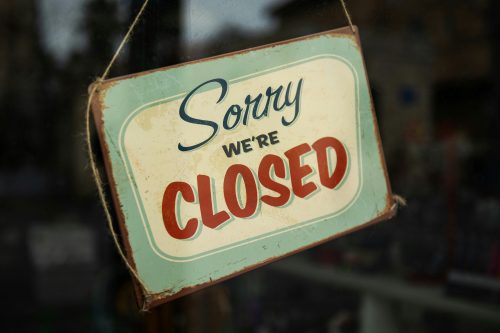
Old Thoughts and Behaviors: When The Mind Tries To Reopen The Door
Wanna know a secret?
Having an old thought pop into your head does not mean you’re backsliding in your food addiction recovery.
It means you’re human.
You’re sitting at your desk, minding your business, and suddenly an old food thought crosses your mind: “I should get a snack“. You glance at the clock. It’s not time yet. Your food plan is clear. There is no actual hunger signal happening in your body.
And here’s the miracle moment.
“Old You” would’ve already been halfway through a bag of junk before the thought even finished forming. “You Today” noticed the thought – and you let it pass.
That right there is recovery in action!
Thoughts Are Not Commands
One of the biggest lies food addiction tells us is that every thought about food requires action. That a thought equals hunger. That hunger equals urgency. That urgency equals permission.
But here’s the truth your recovery is teaching you: thoughts are just mental weather.
They roll in. They pass through. They don’t need to be entertained, negotiated with, or followed into the pantry.
The food addicted brain is sneaky. It loves to test the doors you’ve closed. Not because you want to go back, but because those old neural pathways existed for a long time. They don’t disappear overnight just because you stopped eating certain foods.
Recovery isn’t about never having a thought again. It’s about not picking it up and running with it.
The Difference Between “Old You” and “You Today”
Old You heard the thought and obeyed it automatically. No pause. No awareness. No space.
You Today did something radically different.
You checked the facts. You referenced your food plan. You recognized the thought as familiar, but no longer in charge. And then, you dismissed it.
That is not willpower. That is training. That is a healed relationship structure. That is emotional sobriety showing up quietly, without drama.
And most importantly, that is how obsession doesn’t restart.
Why Entertaining The Thought Is The Real Risk
Food obsession doesn’t usually come roaring back all at once. It tiptoes in through curiosity, debate, and “just thinking about it“.
- What if I ate a little early?
- What if today was different?
- What if I actually am hungry?
That’s the obsession cycle trying to reboot.
The moment you start negotiating with an old thought, you give it airtime. Airtime turns into fixation. Fixation turns into obsession. And obsession always wants behavior to follow.
The safest move in recovery isn’t arguing with the thought, it’s disengaging from it.
You don’t need to prove that thought wrong. You don’t need to explain yourself. You don’t need to white-knuckle through it.
You simply don’t answer.
What Someone In Recovery Should Do Instead
When an old thought pops up, the goal isn’t to panic or analyze it to death. The goal is to stay grounded in what you already know.
You have a food plan for a reason. It protects you from the chaos of decision-making. It removes the question-mark that addiction loves to exploit.
You also have lived experience now.
You know exactly where following that thought leads. You’re not depriving yourself of anything. Rather, you are preserving your peace and serenity.
Sometimes the most powerful recovery move is mentally saying, “No thanks. Not today.” And then returning right back to your abstinent life.
Freedom Looks A Little Boring – And That’s A Good Thing
Real recovery doesn’t always feel dramatic. More often, it feels quiet. A bit boring. Uneventful. Normal.
And that can be unsettling if chaos used to be your baseline.
But that quiet moment, where a thought appeared and disappeared without controlling you. That is the life you were working toward all along. That’s food taking its proper place. That’s your nervous system learning safety without constant stimulation.
You didn’t suppress the thought. You didn’t shame yourself for having it. And you didn’t spiral.
You noticed the thought. You chose your recovery. You moved on.
That is not small or insignificant. That’s everything.
A Gentle Reminder From Your Bestie In Recovery
You are not failing because old thoughts still visit. You are succeeding because they no longer run the house.
Recovery is not about becoming someone who never things about food. It’s about becoming someone who doesn’t lose themselves to those thoughts anymore.
So the next time a familiar whisper shows up, like “I should get a snack“, smile a little. That’s just your past knocking on a door you don’t live behind anymore.
And then, simply go on with your day and with your food plan. You’re doing great!
Food For Thought
What an old food thought pops up, what does it usually sound like in my head? Is it urgent, sneaky, logical, emotional, or familiar?
How does it feel in my body to pause instead of react? Where do I notice calm, or discomfort, show up?
What facts help me dismiss food thoughts without arguing with them? (food plan, time, physical hunger cues, lived experience…)
In what ways is my life quieter or more spacious now that food no longer runs the conversation?
If food thoughts had a voice, what would it be trying to protect me from, or distract me from?
What am I protecting when I choose not to entertain old food behaviors?

© 2026 Intentional Recovery Foundation dba Abstinent Kitchen. All Rights Reserved. Abstinent Kitchen is not affiliated with and does not represent Overeaters Anonymous or any other recovery program or retreat. Intentional Recovery Foundation is a 501(c)3 organization; our profits support local recovery community programs. Content on this website and any affiliated pages or platforms is not intended as a substitute for professional medical advice, diagnosis, or treatment. Consult your healthcare provider for personalized medical guidance.
Designed with WordPress